IMPULSE Engineer

IMPULSE® vs Shockwave Cleaning

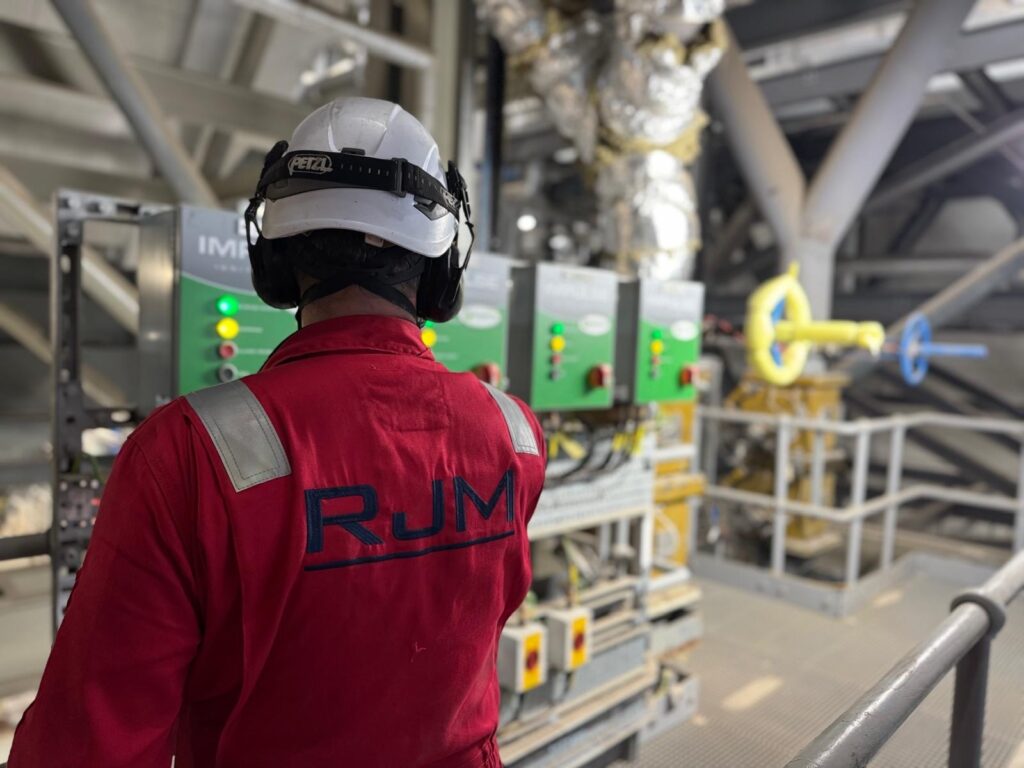
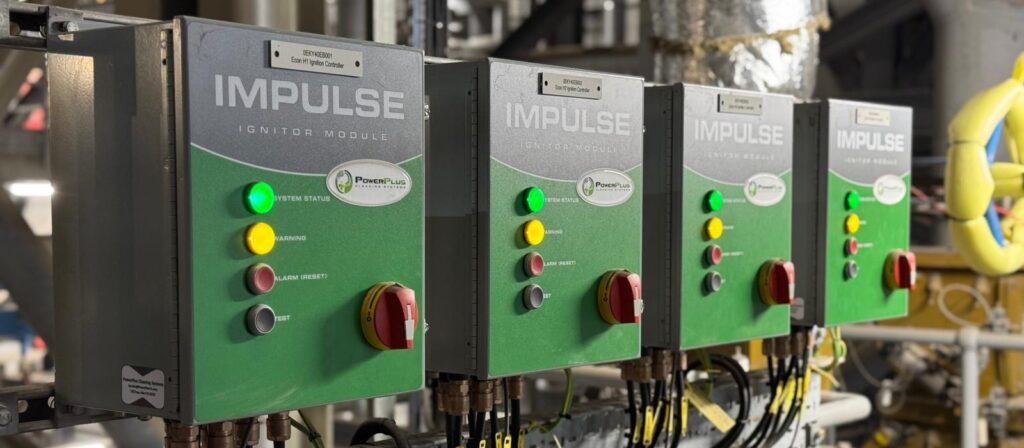
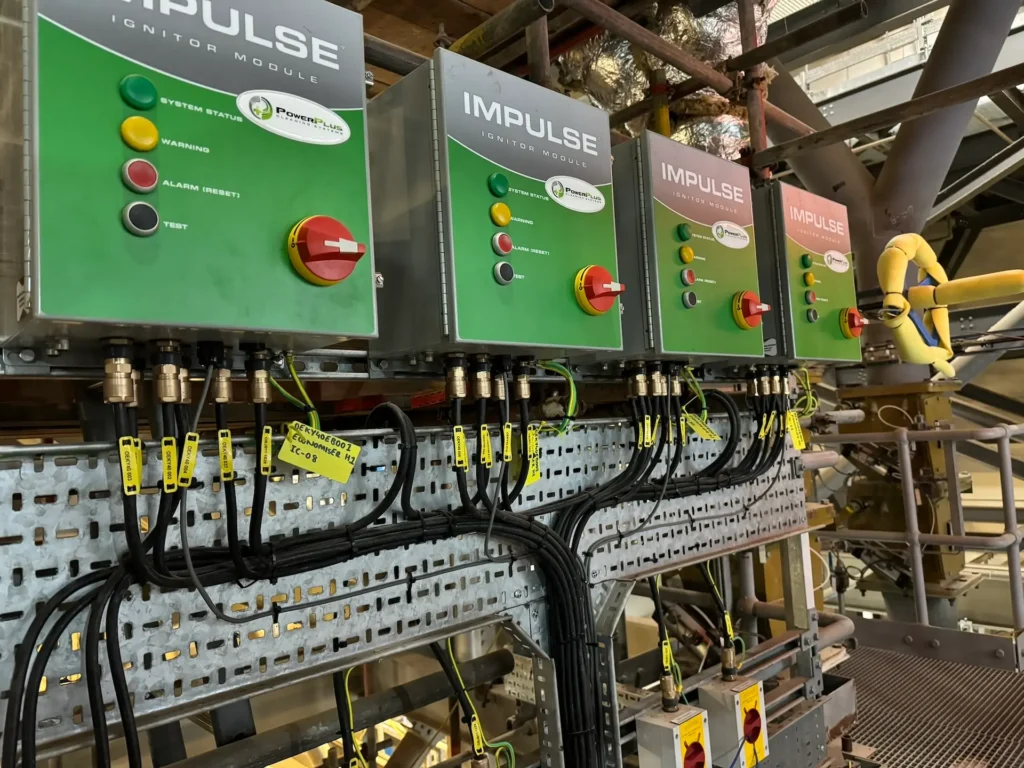
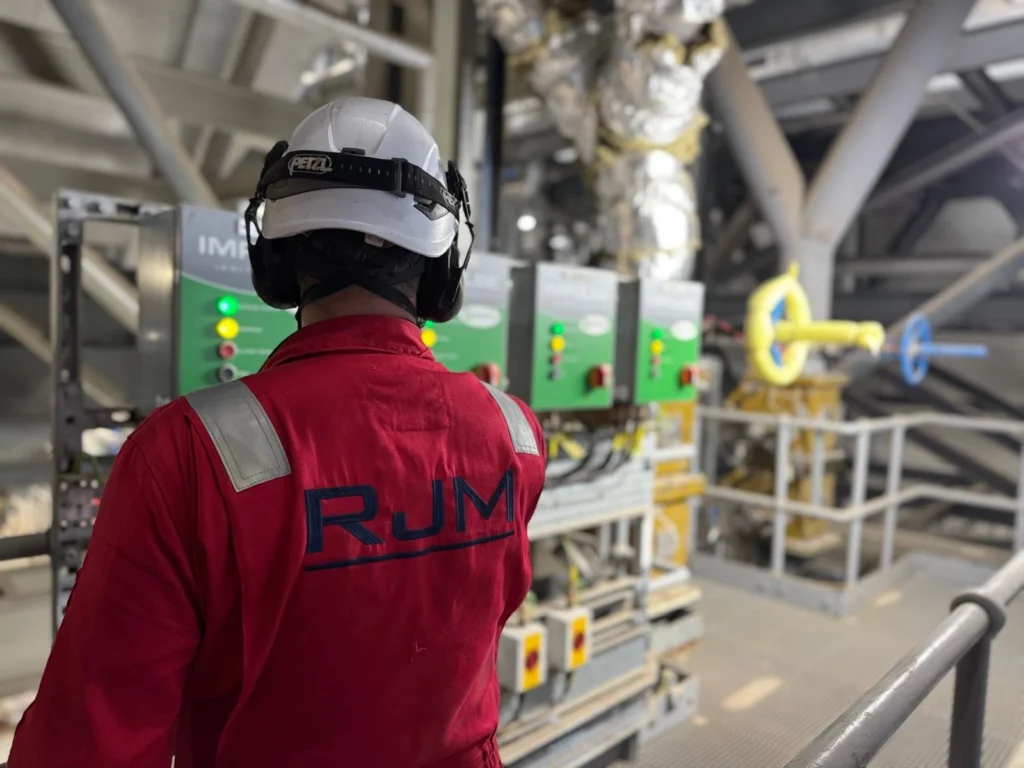
IMPULSE Control Panels

A Comparison of IMPULSE® and other Shockwave Cleaning technologies

Maintaining clean heat transfer surfaces is critical to boiler performance, efficiency, and long-term reliability. As ash and particulate deposits accumulate on convective passes, superheaters, economisers, air heaters, and gasifier sections, plants often experience rising differential pressure, increased back-end temperatures, derates, slag falls, and a higher risk of tube damage or forced outages.

Steam sootblowing and acoustic horns remain widely used, but many operators also deploy shockwave systems, sometimes referred to as shock pulse or shock pressure wave cleaning, to manage persistent fouling. IMPULSE® Cleaning Technology represents a newer rapid pulse approach, designed to deliver deep, non-line-of-sight cleaning with lower maintenance demand and reduced mechanical impact on boiler structures.

This page compares shockwave technologies and IMPULSE® cleaning, explains where each method fits, and outlines why a growing number of operators are choosing to replace incumbent shockwave systems with IMPULSE®.
What is Shockwave Cleaning?

Shockwave cleaning systems generate a pressure event that creates a supersonic pressure wave travelling into the boiler gas path and tube banks. The objective is to fracture deposits and encourage them to shed before they consolidate into harder, more restrictive build-ups. Shockwaves carry far more energy than sonic waves making them significantly more powerful and effective.

These systems are often installed as a replacement to steam soot blowers, rappers and acoustic horns, particularly in convective passes where fouling is persistent. In certain applications, shock wave cleaning can provide useful deposit removal. However, its effectiveness are strongly influenced by deposit characteristics, operating temperature, tube spacing, and the design, durability, and maintainability of the installed system.

What is IMPULSE® Cleaning Technology?

IMPULSE® Cleaning Technology is derived from pulse detonation propulsion research originally developed at GE’s Global Research Center, utilising the flame propagation speed of ethylene to create a powerful, efficiently sized system.  It was adapted for boiler cleaning applications in the mid-2000s, 

The system detonates a precisely controlled mixture of fuel and air within a combustion tube, producing rapidly repeating supersonic shockwaves. These shockwaves propagate through tube bundles, generating multi-directional high- and low-pressure vectors that dislodge deposits. Unlike steam soot blowers, IMPULSE® cleaning is non-erosive and does not rely on direct line-of-sight, as the shockwave travels around tubes, reconnects downstream, and continues through dense tube nests.

Where IMPULSE® Works Best

IMPULSE® is primarily intended for friable deposits, which most commonly occur as fouling in convective boiler sections and economisers. The rapidly pulsating technology (usually 20 pulses in 10 seconds) sends sets of powerful supersonic waves to repeatedly shake off any ash build up, mitigating build up. As a general guideline, IMPULSE® units are installed in locations with temperatures below approximately 850°C, since molten slag conditions significantly reduce the effectiveness of shockwave-based cleaning methods.

Why Deposit Type Matters

Not all ash deposition behaves in the same way, and cleaning technologies must be matched to the nature of the deposit. There are two main types of deposition problems with unique challenges and solutions; slagging and fouling.

Slagging occurs when molten ash species form on high-temperature surfaces (typically > 1000oC), remain friable at temperature and form glassy deposits when cooled. In these conditions, wave-based cleaning methods, including shock pulse and detonation systems, are generally less effective.

Fouling, by contrast, typically develops in cooler convective sections. Vapours condense on particles and tube surfaces, creating sticky deposits that bond particles together creating a friable build up that can be fractured by shockwaves. Over time, these deposits consolidate, leading to tube bank pluggage, increased pressure drop, reduced heat transfer, and flow channeling that accelerates the flue gas causing erosion damage and tube failures.

IMPULSE® is positioned as a proactive, online fouling mitigation system, helping plants maintain cleaner tube banks throughout an operating campaign rather than relying on reactive shutdowns and intensive offline cleaning.

IMPULSE® vs Shockwave Cleaning

Technical comparison

Comparison Area IMPULSE® Cleaning Technology Other Shockwave Cleaning
Effectiveness Rapidly repeating pulses per activation typically 20 pulses in 10 seconds Singular pulse per activation
Mechanical Complexity No moving parts; minimal maintenance Higher maintenance burden for some system designs
Maintenance and Lifecycle cost Designed for low OPEX and long service life Higher OPEX often drives replacement decisions
Adaptability Activation frequency and pluses per activation are tunable for each station Singular pulse per activation
Reliability Over Time Consistent performance suited to continuous operation Performance can degrade due to wear or environmental factors
Recoil and Structural Loading Low recoil by design, reducing structural stress Higher recoil can be a concern, depending on system type
Utilities Required Minimal compressed air and  ethylene Varies by technology and installation – typically methane or propane sometimes requiring an additional compressor
Ease of Installation Modular, expandable system with a small footprint Significant equipment size that protrudes into walkways and often requires additional supports
Typical Outcome Longer campaigns, stable pressure drop, reduced forced outages Deposit removal achievable, but lifecycle cost and consistency vary
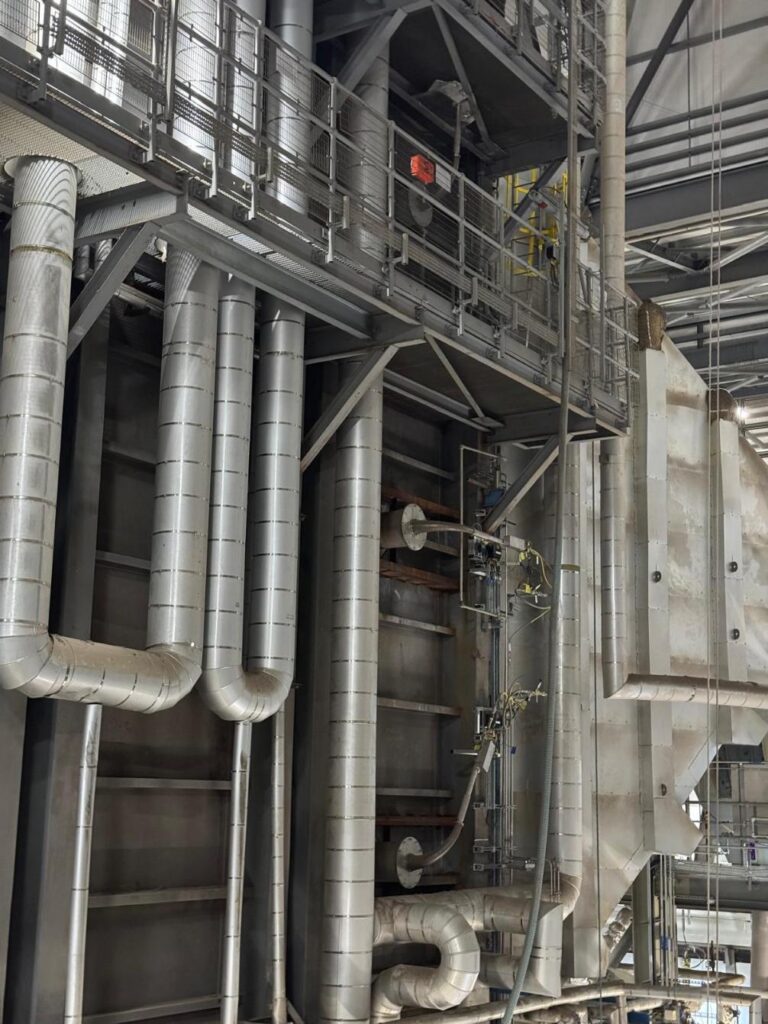
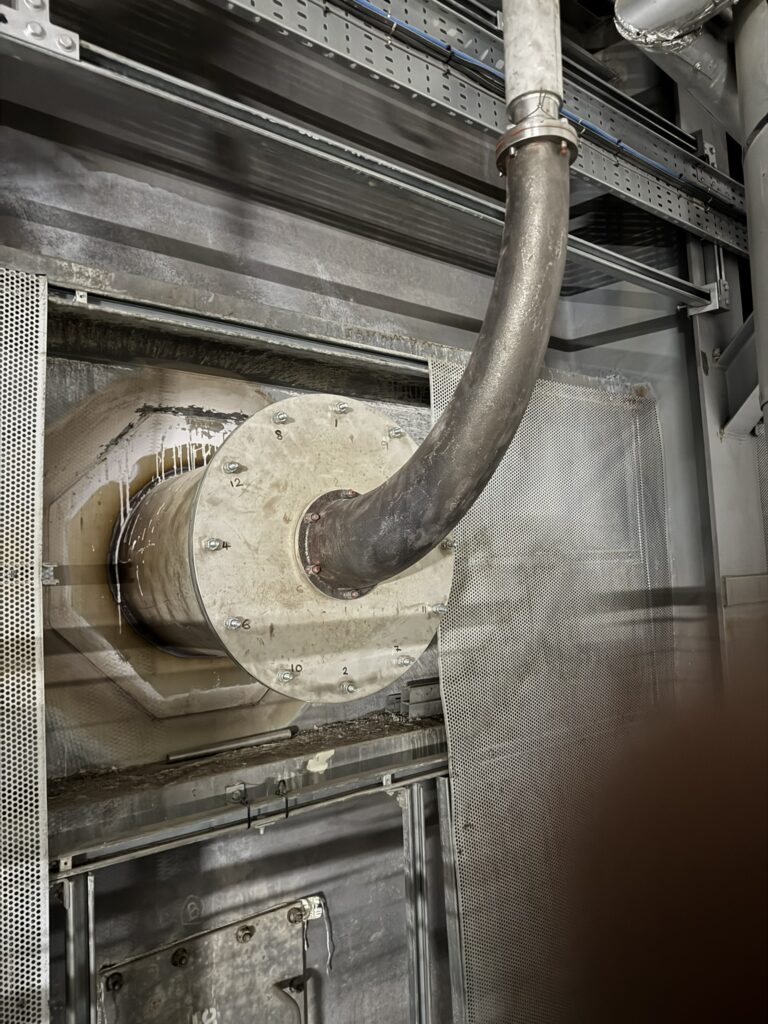
IMPULSE Cleaning Unit
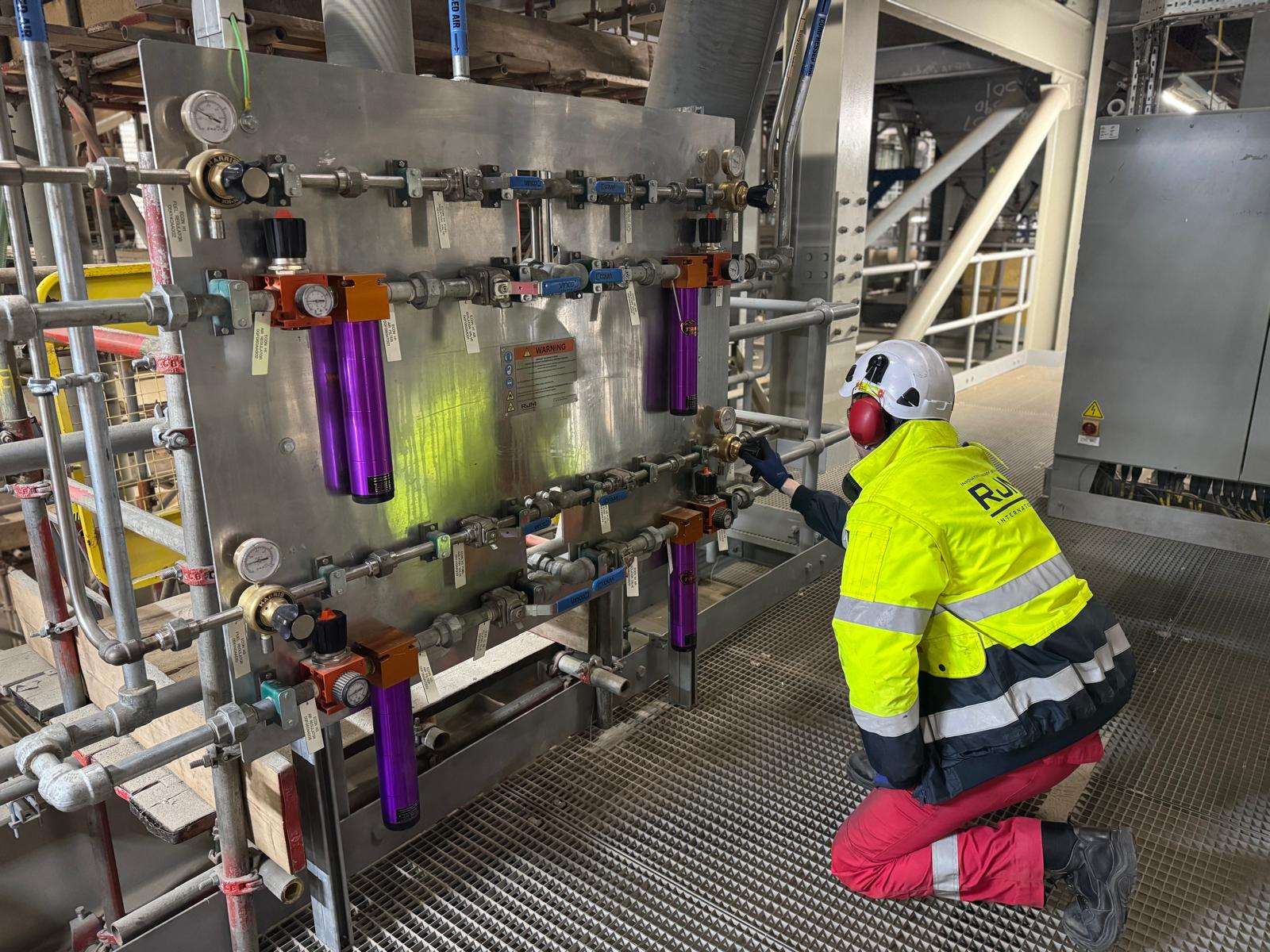
Operating the IMPULSE system

Why Some Plants Replace Existing Shockwave Systems with IMPULSE®

Across multiple sectors, operators have replaced shock pulse systems with IMPULSE® to address recurring operational and commercial challenges such as:

Lower Lifecycle Cost

IMPULSE® uses a simple system architecture with no moving parts and low routine maintenance requirements. In contrast, many shockwave systems incur higher long-term operating costs due to servicing, rebuild cycles, or component wear.

Improved Consistency and Reliability

Plants that have transitioned to IMPULSE® often cite more consistent cleaning performance over time, particularly in continuous operation environments such as EfW, biomass, and industrial boilers.

Reduced Structural Impact and Safer Operation

IMPULSE® systems are designed to operate with low recoil forces, reducing structural loading and safety risk. Higher recoil associated with some shockwave and acoustic systems can introduce additional engineering and operational considerations.

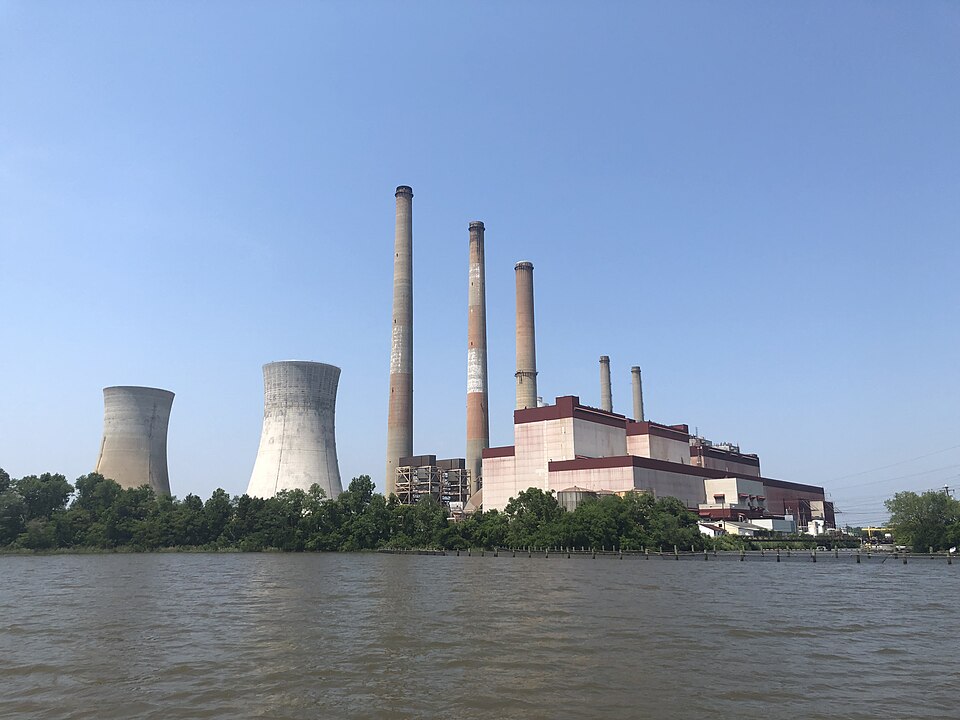
Chalk Point Power Station

RJM Success Stories

As part of its wider combustion and plant optimisation work, RJM International has supported a range of facilities to implement IMPULSE® cleaning and address fouling-related constraints.

Energy from Waste (EfW)

Wheelabrator, North Andover, USA
Two EfW boilers were experiencing rapid pluggage and reduced throughput after four to six weeks of operation. Water washing became impractical due to hazardous wastewater handling, while frequent online explosive cleaning raised safety and labour concerns.

Following installation of IMPULSE® cleaners, the site eliminated intensive online cleaning interventions and extended operation to several months between outages.

Hennepin Energy Recovery Center, Minneapolis, USA
Installation of IMPULSE® cleaners in superheater and evaporator sections contributed to lower differential pressure at comparable operating durations, supporting longer campaigns and more stable boiler operation.

Covanta EfW Facilities, USA
Multiple EfW boilers retrofitted with IMPULSE® cleaning systems achieved extended run lengths between forced outages, with deposits remaining more friable and significantly reducing offline cleaning effort during shutdowns.

UK and European Retrofits
Recent European installations on biomass and waste wood plants have shown immediate operational improvements, including reduced induced draft fan demand and lower back-end temperatures at comparable generation levels, indicating improved heat transfer and reduced fouling restriction.

Where Shockwave Cleaning is the Best Choice

Shockwave cleaning is  appropriate where:

  • Deposit behaviour is compatible with wave-based shedding
  • Maintenance access and servicing schedules are acceptable
  • The system forms part of a broader, multi-method cleaning strategy


However, for plants seeking lower lifecycle cost, reduced intervention, and stable online fouling control over long operating campaigns, IMPULSE® is increasingly selected as the more robust long-term solution.

How RJM Evaluates the Right Cleaning Approach

Before recommending any cleaning technology, RJM typically assesses:

  • Deposit type and location, distinguishing friable fouling from molten or fused slag
  • Tube spacing, boiler geometry, and accessibility
  • Whether the primary objective is heat transfer recovery, pressure drop reduction, or both
  • Operational constraints such as unplanned outages, derates, or safety exposure
  • Existing cleaning methods, including sootblower erosion concerns or reliance on online explosive cleaning

Talk to RJM About Replacing Shockwave Cleaning

If your plant currently operates a shockwave cleaning system and maintenance burden, reliability, or campaign length is limiting output, RJM can review deposit behaviour, cleaning coverage, and installation feasibility.

From there, we can advise whether IMPULSE® is suitable, where it should be installed, and what operational improvements are realistically achievable for your boiler.

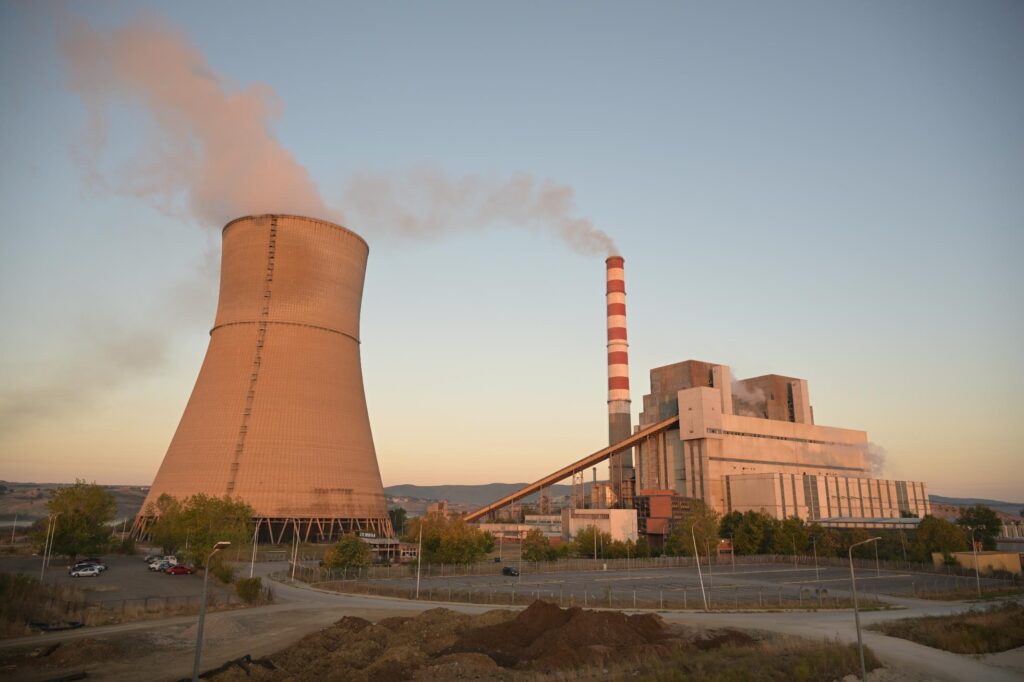
Kosovo B Power Plant

Optimise Performance with IMPULSE® Cleaning

Fuel combustion
Advanced Solutions for Boiler Ash Fouling and Slagging

Address the root causes of slagging and fouling with RJM’s bespoke engineering. From combustion audits to IMPULSE® cleaning, we provide integrated solutions that extend generation campaigns, maximise MWe output, and reduce the need for manual cleaning interventions.

Boiler Ash Fouling and Slagging
IMPULSE control panel
IMPULSE Cleaning® System

The IMPULSE® Cleaning System is a development of the pulse detonation propulsion technology pioneered by GE and uses a supersonic shock wave, created by the detonation of a mixture of fuel and air, to dislodge material that has built up on surfaces within the boiler.

IMPULSE® Cleaning System
IMPULSE Engineer
IMPULSE® vs Shockwave Cleaning

Evaluate the operational advantages of IMPULSE® over high-maintenance shockwave systems. This comparison highlights how our pulse-combustion technology delivers more consistent cleaning performance with significantly lower operating costs and reduced mechanical wear on your plant.

IMPULSE® vs Shockwave Cleaning
IMPULSE Cleaning Unit
Comparing IMPULSE® Cleaning with Traditional Soot Blowers

Discover why IMPULSE® technology offers a superior, non-erosive alternative to steam soot blowers. Learn how to eliminate tube erosion, reduce steam consumption, and improve cleaning coverage across all heat transfer surfaces for enhanced boiler reliability.

IMPULSE® vs Soot Blowers

Other Projects You May Like

Energy Works Hull

Full plant performance upgrade

Energy From Waste
View Project
Tradebe, Fawley

NOx abatement strategy

Energy From Waste
View Project
Australian flag
AGL Bayswater, New South Wales

Innovative NOx reduction solution

Coal
View Project
Kosovo B, Pristina

Major NOx and dust reduction project

Coal
View Project
ZETES 2 Unit 3 Power Station

New Coal Burner Upgrade Project

Coal
View Project
Miranda Sugar Processing Plant

Gas Burner Upgrade Project

Gas
View Project
Coventry & Solihull Waste Disposal Company

Reducing ammonia content from emissions

Energy From Waste
View Project
Confidential

Tuning programme to resolve poor combustion

Coal
View Project