Fuel combustion

Expert Solutions for Boiler Ash Fouling and Slagging

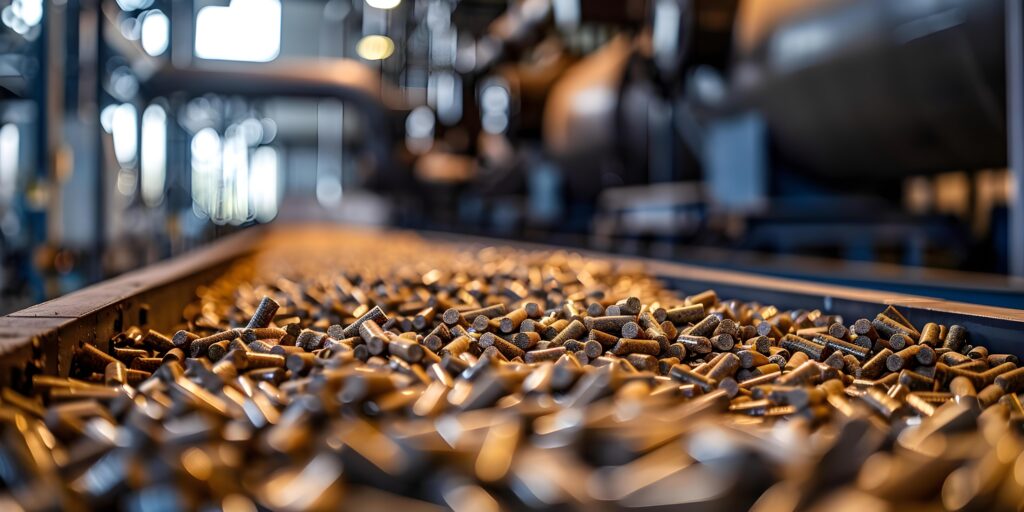
Biofuel Pellets

The Challenge of Ash Fouling

Boiler ash fouling and furnace slagging are unavoidable consequences of combustion, particularly when firing biomass, waste-derived fuels, or lower-grade coals. As fuel quality becomes more variable, ash chemistry becomes increasingly difficult to manage.

Over time, deposits accumulate on heat transfer surfaces, creating a triple threat to plant performance:

  • Reduced heat transfer and falling thermal efficiency
  • Rising flue gas temperatures that increase stress on downstream equipment
  • Unscheduled and lengthy outages for manual cleaning and maintenance

Many plants still rely on reactive “shovelling and blasting” approaches once performance has already declined. This creates unnecessary downtime, higher operating costs, and lost generation.

The goal is clear, move from reactive cleaning to proactive online boiler cleaning that minimises and controls ash deposits before they become a problem.
Understanding Ash Deposits

Effective ash deposit removal begins with understanding how and where deposits form.

Fouling vs. Slagging – Identifying the Threat

While both of these problems result in unwanted deposits, they occur in different parts of the boiler and present unique physical challenges. Understanding these distinctions is critical for implementing an effective removal strategy.

Convective Fouling

Fouling mostly occurs in the convective passes and heat recovery sections (such as superheaters, reheaters, and economisers).

  • The Process: Fine, fly-ash particles are carried by flue gases and adhere to relatively cooler tube surfaces.
  • The Impact: Over time, these particles sinter into insulating layers that significantly restrict gas flow and reduce thermal efficiency.
  • The Challenge: In modern biomass and EfW plants, these deposits often contain high levels of alkali metals and chlorides, making them stickier and more resistant to traditional compressed air or acoustic cleaning.


Furnace Slagging

Slagging is a higher-temperature phenomenon found in the furnace and radiant sections, where ash is in a molten or semi-molten state.

  • The Process: Molten ash particles strike the furnace walls or leading tube banks, cooling rapidly and bonding to the metal.
  • The Impact: This forms dense, glass-like “clinkers” or hard sheets of slag. Large slag falls can cause catastrophic mechanical damage to the lower boiler components and grate systems.
  • The Challenge: Slag is notoriously difficult to remove online. Once it bonds to the radiant surfaces, it acts as a powerful thermal insulator, forcing the boiler to work harder and driving up flue gas exit temperatures (FGET).

The Cumulative Effect

Left unmanaged, both fouling and slagging create a “downward spiral” of performance. As heat transfer is restricted, the boiler must increase fuel throughput to maintain steam conditions, which in turn raises furnace temperatures, accelerating further deposit formation and increasing the risk of accelerated tube corrosion and material degradation.

In addition, unplanned outages become more frequent and of longer duration in order to remove the large build-ups of fouling and slagging material.

Fuel pellets

The Role of Fuel Variability

Modern boilers increasingly operate on blended fuels, including biomass, refuse-derived fuel, and waste wood. These fuels often contain high alkali and chlorine levels, resulting in lower ash fusion temperatures.

As a result, deposits form more quickly, bond more tightly, and become harder to remove using conventional methods. Biomass boiler fouling, in particular, presents significant challenges for long-term reliability.

Why Conventional Cleaning Often Fails

Many plants rely on traditional sootblowing systems and supplementary cleaning tools. While these methods have a role, they often fail to control modern ash fouling effectively.

Steam Sootblowers

Steam sootblowers are limited by several inherent drawbacks:

  • Erosive damage to boiler tubes over time
  • Line-of-sight restrictions that leave shadowed areas untouched
  • High operational cost from diverting valuable plant steam

These issues reduce equipment life while failing to deliver consistent ash deposit removal.

Acoustic Horns

Acoustic horns can dislodge loose, powdery ash but have limited impact on dense, sintered, or bonded deposits. Their effectiveness decreases significantly as fouling severity increases.

The RJM Difference

RJM addresses these challenges directly by providing a sootblower alternative designed for modern fuel environments and continuous online operation.

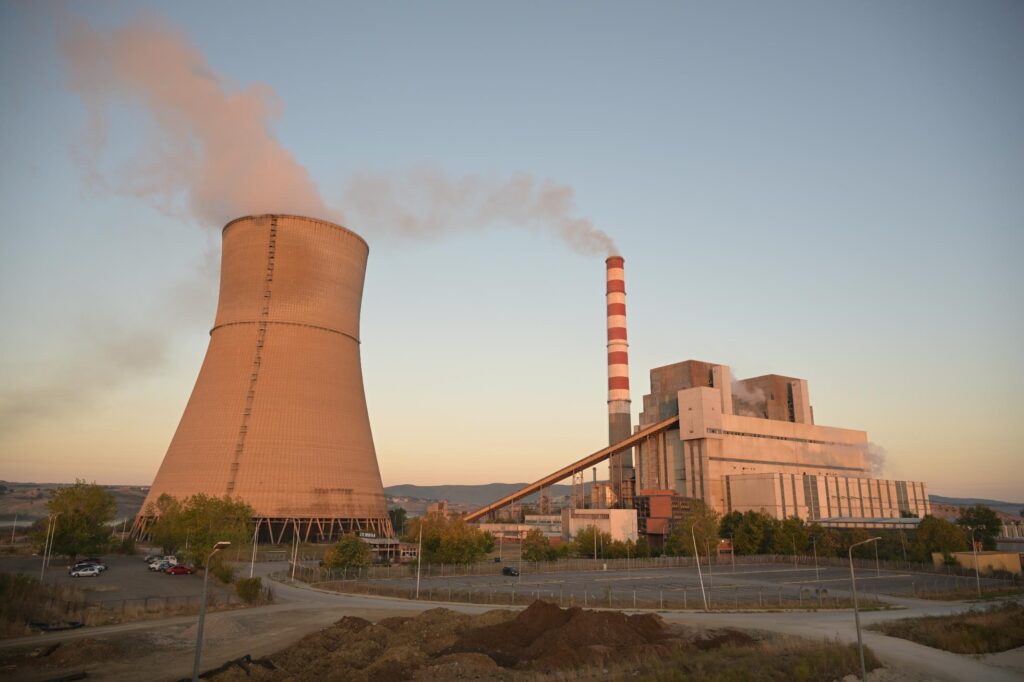
Kosovo B Power Plant

The RJM IMPULSE® Cleaning System

RJM’s IMPULSE® Cleaning system uses advanced, supersonic pulse detonation technology to deliver high-energy cleaning without mechanical contact.

How It Works

IMPULSE® Cleaning generates controlled detonations that produce a supersonic shock wave. This shock wave propagates through the boiler gas path, breaking the bond between ash deposits and heat transfer surfaces.

Rather than relying on directed jets, the system uses pressure dynamics to clean large volumes effectively.

Non Line-of-Sight Cleaning

Unlike traditional sootblowers, the shock wave wraps around tube banks and penetrates complex geometries. This enables effective cleaning in areas that mechanical systems cannot reach.

Shadowed surfaces, tight tube pitches, and congested heat exchangers are cleaned consistently and uniformly.

Key Benefits

  • No Tube Erosion
    No mechanical contact means no wear on heat transfer surfaces.
  • Increased Availability
    Proven to deliver up to a 5% increase in plant availability, as demonstrated at Ince Bio Power.
  • Zero Steam Usage
    Preserves exported power and improves Net Heat Rate by eliminating steam consumption.
  • Small Footprint
    Compact installation allows easy retrofitting to existing boiler walls and penthouses.


These benefits combine to deliver cost-effective, reliable, long-term online boiler cleaning and improved operational stability.

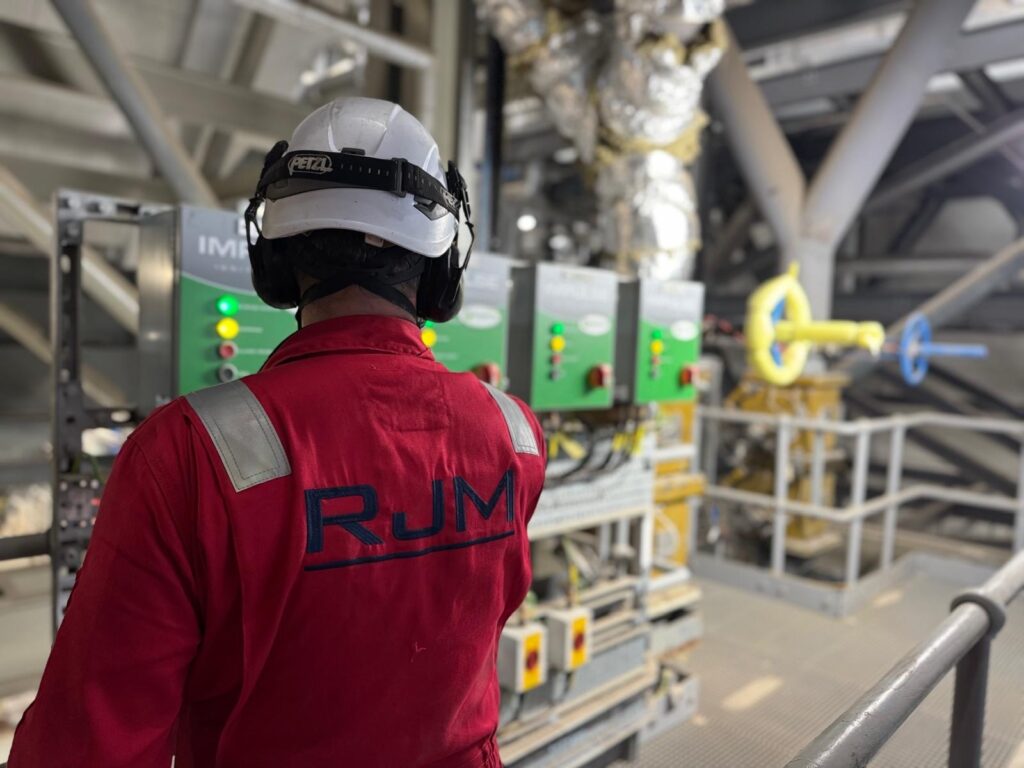
Operating the IMPULSE system

Applications & Fuel Types

RJM systems are deployed across a wide range of combustion environments. 

Waste-to-Energy (EfW) 

EfW plants face highly complex and corrosive ash compositions. IMPULSE® controls deposit build-up while protecting tube materials and maintaining heat recovery performance.

Biomass & Wood Waste

High-alkali biomass fuels accelerate fouling and slagging. RJM solutions stabilise performance and reduce the impact of biomass boiler fouling.

Utility Coal 

Ageing coal-fired assets benefit from improved thermal efficiency, lower maintenance costs, and extended operating life.

Industrial & Co-generation

For industrial boilers and CHP plants, consistent ash deposit removal maximises uptime and protects critical production processes.

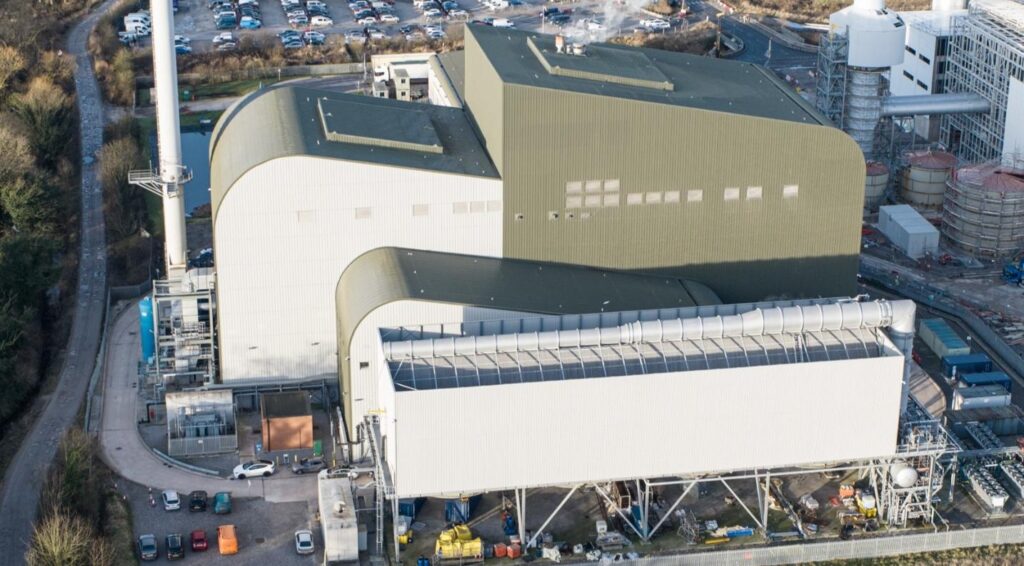
Ince Bio Power Station

Case Study – Ince Bio Power

RJM’s IMPULSE® system has delivered measurable performance improvements at Ince Bio Power.

Following installation, the plant achieved:

  • Improved boiler cleanliness
  • Stabilised heat transfer
  • Reduced unplanned outages


This resulted in
19 additional days of generation per annum, directly improving revenue and operational resilience.

Specialist Consultation and Engineering Support

RJM provides more than hardware. Our approach is built around combustion analysis, operational data, and plant-specific engineering.

We support clients through:

This combustion-led methodology ensures that each ash fouling solution is tailored to the unique characteristics of your boiler.

Ready to Eliminate Boiler Fouling?

If you are experiencing reduced thermal efficiency, rising maintenance costs, or persistent furnace slagging, RJM can help.

Speak to our combustion engineering specialists to discuss your plant’s requirements and explore the most effective ash deposit removal strategy.

Talk to an Expert
Winchester Office: +44 (0)1962 831 250

Optimise Performance with IMPULSE® Cleaning

IMPULSE Engineer
IMPULSE® Technology Versus Traditional Shock Pulse Cleaning

Evaluate the operational advantages of IMPULSE® over high-maintenance shock pulse systems. This comparison highlights how our pulse-combustion technology delivers more consistent cleaning performance with significantly lower operating costs and reduced mechanical wear on your plant.

IMPULSE® vs Shock Pulse Cleaning
Fuel combustion
Advanced Solutions for Boiler Ash Fouling and Slagging

Address the root causes of slagging and fouling with RJM’s bespoke engineering. From combustion audits to IMPULSE® cleaning, we provide integrated solutions that extend generation campaigns, maximise MWe output, and reduce the need for manual cleaning interventions.

Boiler Ash Fouling and Slagging
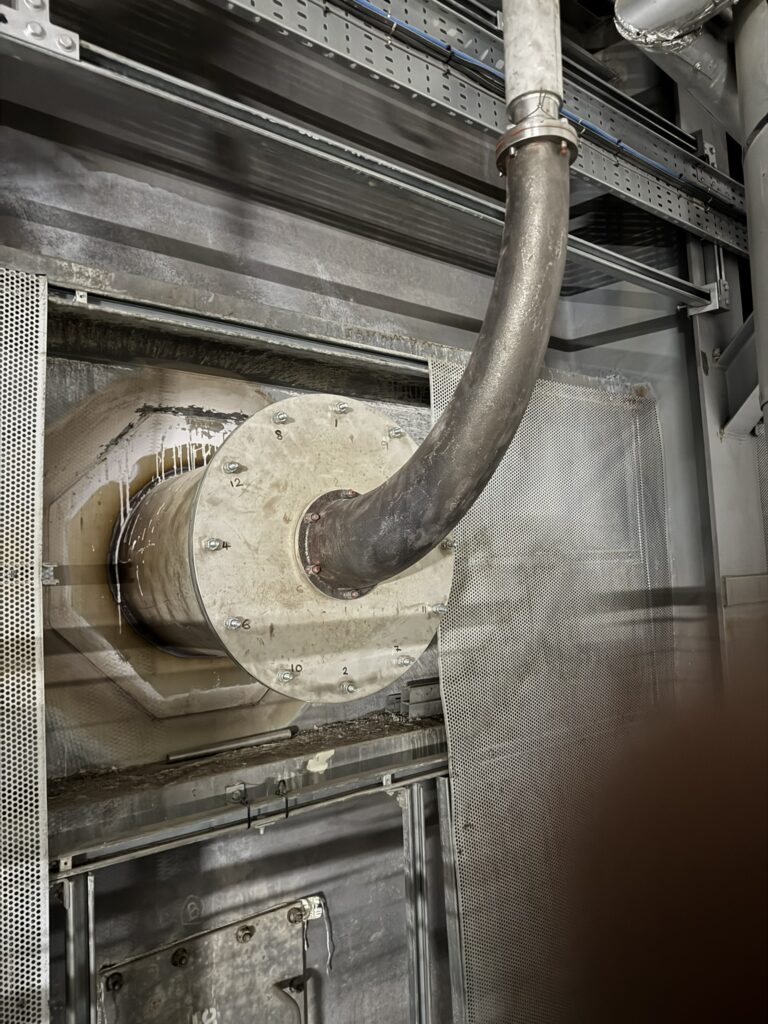
IMPULSE Cleaning Unit
Comparing IMPULSE® Cleaning with Traditional Soot Blowers

Discover why IMPULSE® technology offers a superior, non-erosive alternative to steam soot blowers. Learn how to eliminate tube erosion, reduce steam consumption, and improve cleaning coverage across all heat transfer surfaces for enhanced boiler reliability.

IMPULSE® vs Soot Blowers
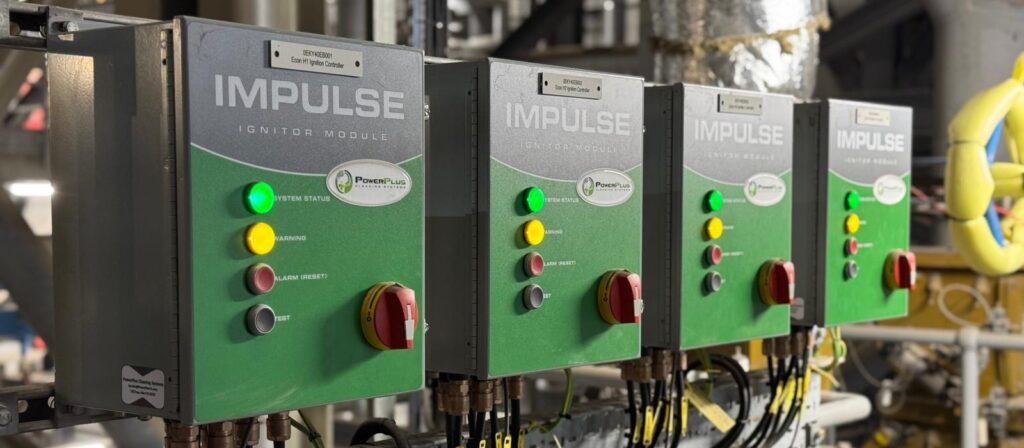
IMPULSE control panel
IMPULSE Cleaning® System

The IMPULSE® Cleaning System is a development of the pulse detonation propulsion technology pioneered by GE and uses a supersonic shock wave, created by the detonation of a mixture of fuel and air, to dislodge material that has built up on surfaces within the boiler.

IMPULSE Cleaning System

Other Projects You May Like

Energy Works Hull

Full plant performance upgrade

Energy From Waste
View Project
Tradebe, Fawley

NOx abatement strategy

Energy From Waste
View Project
Australian flag
AGL Bayswater, New South Wales

Innovative NOx reduction solution

Coal
View Project
Kosovo B, Pristina

Major NOx and dust reduction project

Coal
View Project
ZETES 2 Unit 3 Power Station

New Coal Burner Upgrade Project

Coal
View Project
Miranda Sugar Processing Plant

Gas Burner Upgrade Project

Gas
View Project
Coventry & Solihull Waste Disposal Company

Reducing ammonia content from emissions

Energy From Waste
View Project
Confidential

Tuning programme to resolve poor combustion

Coal
View Project