
Fuel Flexibility Solutions

Enhancing Operational Versatility and Optimising Alternative Fuel Performance

Fuel Flexibility

Power plants are increasingly under pressure to diversify their fuel diet and consider alternative fuel sources to maintain fuel security and manage costs. However, changes to the fuel diet can significantly impact plant performance and reliability, particularly when using lower-quality fuels or those the plant was not originally designed to burn.

To minimise the risk of unforeseen problems, any proposed fuel change must be carefully evaluated. A whole-plant assessment is essential, considering:

  • Fuel handling
  • Combustion performance
  • Slagging & fouling
  • Heat transfer & emissions


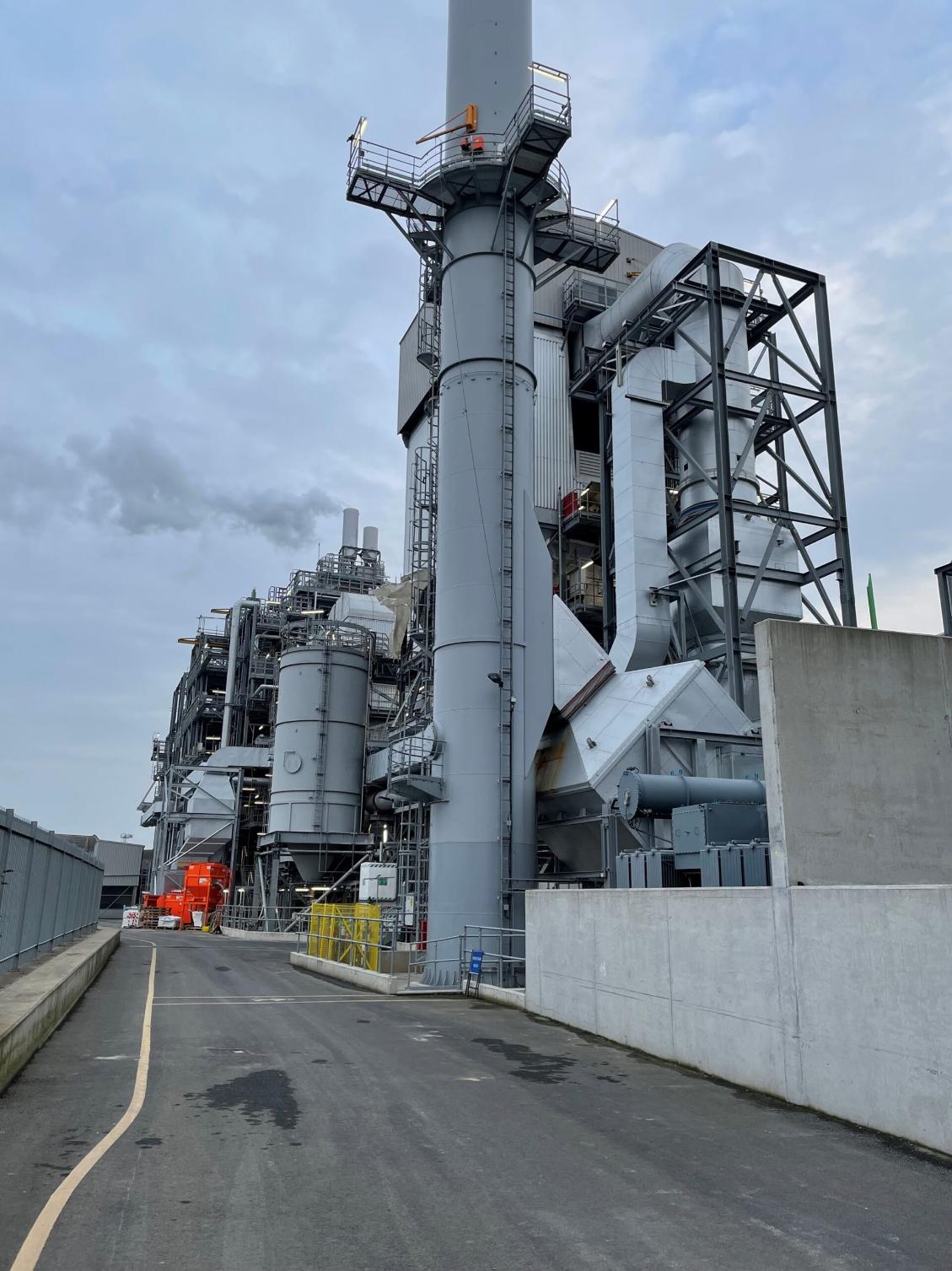
Power station chimney
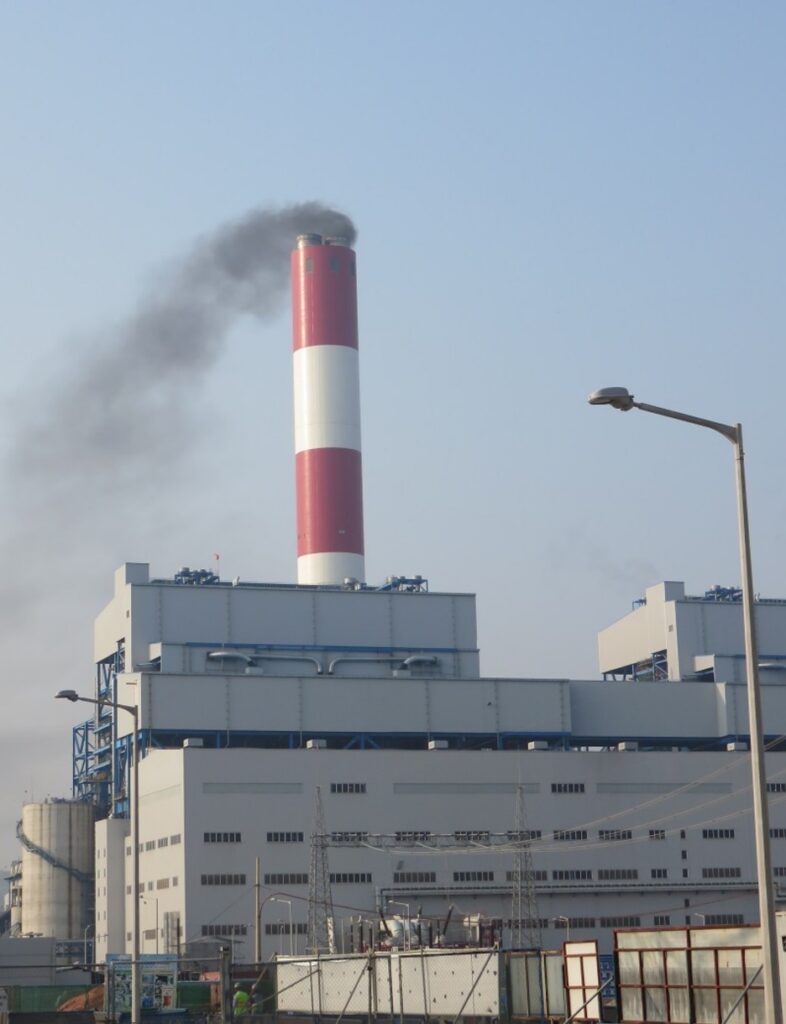
Coal power station

The Challenges Facing Plant Operators

Some of the main challenges that plant operators face include:

  • Managing variable fuel quality and inconsistent calorific values

  • Adapting burners and combustion systems for low CV coals

  • Maintaining mill throughput to maintain load

  • Managing plant limitations with low CV coals – such as fan capacity constraints

  • Maintaining stable, efficient ignition across different fuel matrices

  • Controlling accelerated boiler tube erosion, corrosion, and material wastage

  • Mitigating increased slagging, fouling, and ash deposition on heat transfer surfaces

  • Meeting tight emissions regulations (including NOx, CO and dust limits) under shifting firing regimes
RJM Fuel Assessment

The costs and risks associated with firing a new coal need to be quantified to fully understand the true cost of fuel changes. A fuel assessment carried out by RJM helps support fuel procurement and blending decisions, allowing generators to minimise operational risks and maximise commercial opportunities.

RJM employs industry-leading coal experts with decades of experience. They can provide valuable insights into the performance impacts associated with new fuels and fuel blends using specialised analytical tools and RJM’s extensive database of international fuels.

Key Services

  • Pre-screening desktop evaluation to determine whether a coal is suitable for a trial burn
  • Development of an add-on cost model to show the true value of a new coal relative to a “reference” fuel
  • Station trial burn support including test plan preparation, analysis of the trial burn results and assessment of the coal’s impact on the materials handling plant, mills, combustion and boiler performance
  • Detailed fuel characterisation testing to evaluate and quantify the combustion, slagging and fouling behaviour of coals in detail, which allows the combustion behaviour of a fuel to be thoroughly understood
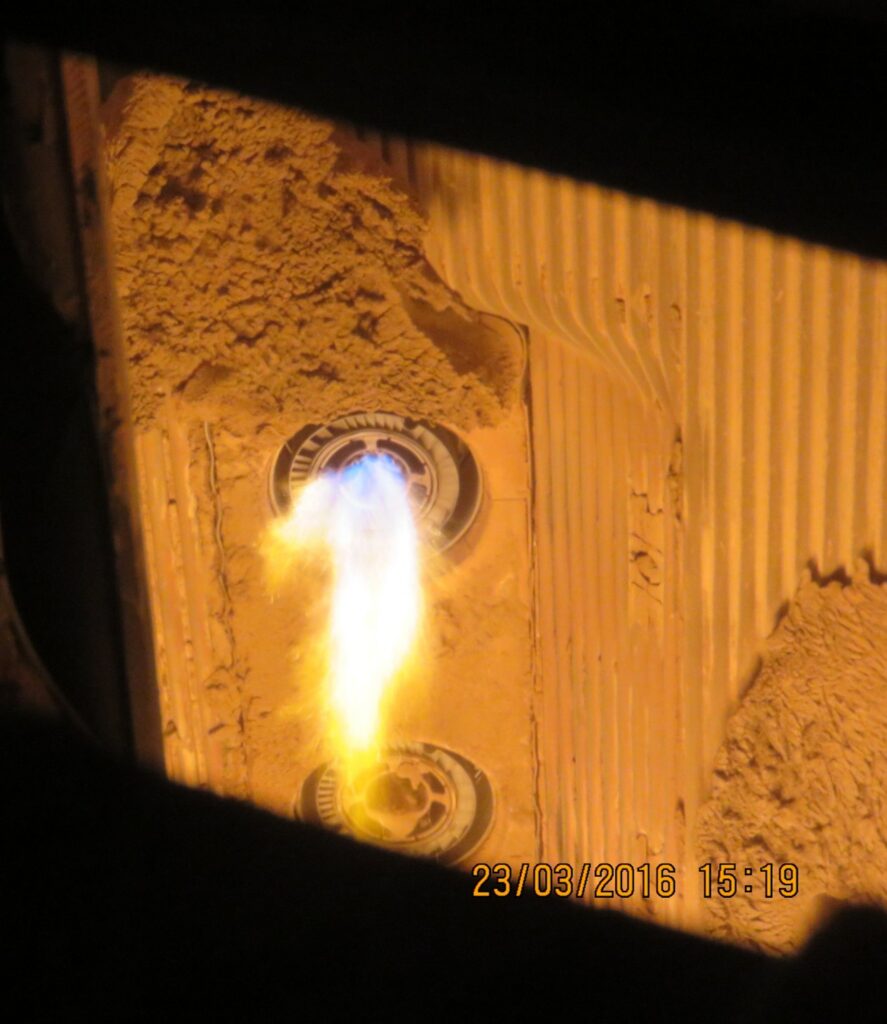
Burner flame

Pre-Screen Evaluation

Pre-screening desktop evaluation to determine whether a fuel is suitable for a trial burn

  • Coal specification and fuel quality
  • Mill and pulverised-fuel safety
  • Stockpile and handling safety
  • Milling capacity and unit availability
  • Combustion performance
  • Slagging
  • Fouling
  • NOx emissions
  • SOx and FGD performance
  • Particulate / dust emissions
  • Ash quality and saleability
  • Corrosion and erosion
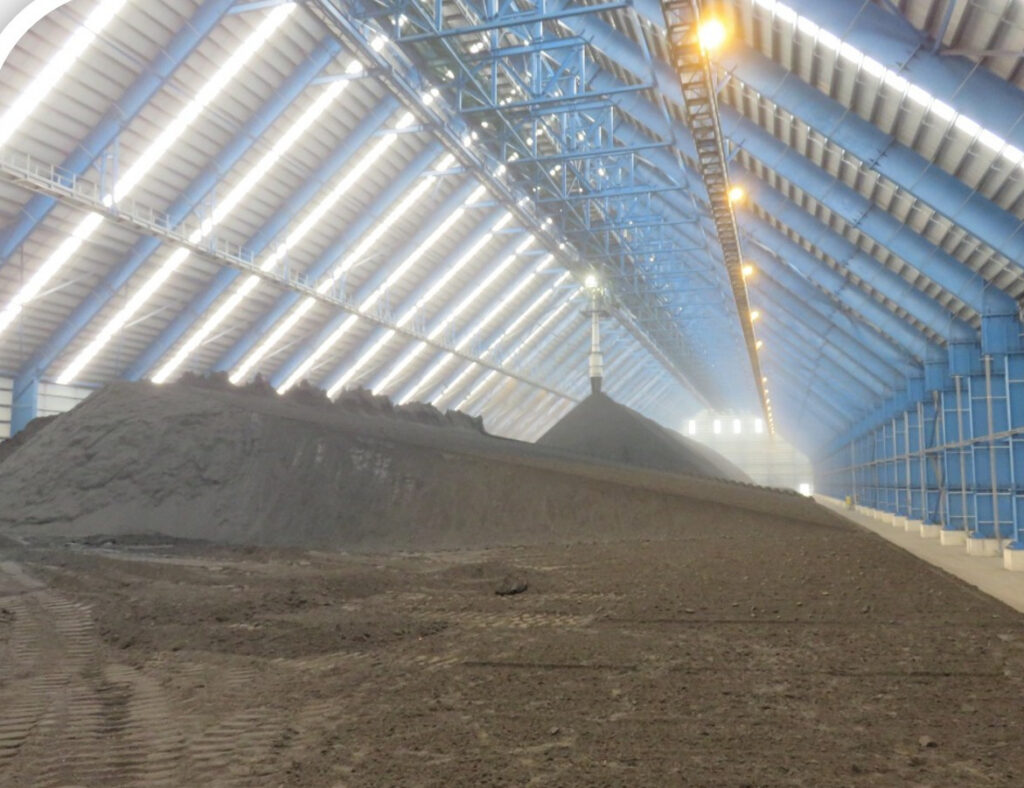
Coal stored in a coal shed

Other Projects You May Like

Coventry

Reducing ammonia content from emissions

Energy From Waste
View Project
BEC, Cuijk

Performance Improvement Study

Energy From Waste
View Project
Confidential

Root cause performance analysis

Energy from Waste (Waste Wood)
View Project
Tradebe, Wrexham

Flue gas modelling to meet WID

Energy From Waste
View Project
Uksmouth

Coal-to-Energy Pellet Conversion Project

Energy From Waste
View Project